Your Hobby Owes You Nothing — Let It Stay Unmonetized
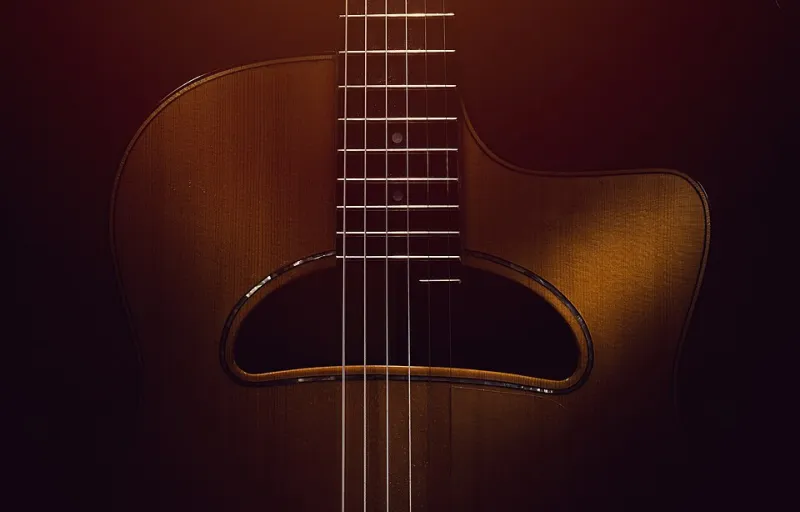
Photo: Dejan Krsmanovic, CC BY 2.0, via Wikimedia Commons
I have a friend who started knitting in 2023 because she wanted a scarf. By 2024 she had a logo, a Shopify store, and a spreadsheet tracking profit margins on an item that takes eleven hours to make. She hasn't knit anything for herself in two years. She can't — knitting is work now.
This is not a story about her. This is a story about all of us, and about why the phrase 'you should monetize that' has become the most quietly destructive piece of advice in modern life.
The Ring Light in the Corner of Your Joy
Somewhere in the last decade, we collectively agreed that an interest is only legitimate if it produces revenue. Learn to bake? Start a cottage food business. Like running? Race content. Good at pottery? Cool, here's a business plan and a Pinterest board of packaging options.
And look, I get the appeal. It's genuinely hard out here in 2026 — the cost of everything is up, and the idea of turning a pleasant Saturday hobby into $400 a month is tempting. There's also something seductive about the identity of it. 'I'm a ceramicist' hits different than 'I mess around with clay on Sundays.'
But we've quietly signed a contract that says every minute of our free time has to justify itself financially, and then we wonder why we're exhausted.
What Monetizing Actually Costs
Here's the part nobody puts in the course: when you turn a hobby into a hustle, the hobby stops being a hobby. It becomes a job with worse hours, worse pay, and a client who expects a lot of free emotional labor — the audience.
You start thinking about content while doing the activity, which means you're never actually in the activity. You're always one step outside it, framing it for somebody else. The thing that used to reset your nervous system becomes another item on the list, another thing you're behind on.
And then the sneaky part: the metrics start colonizing your sense of worth. You made a genuinely lovely thing? Cool, how'd it do? Any saves? Any shares? The work that used to be enough on its own now gets graded, and it gets graded by people who don't know your name.
The Case for Secret Hobbies
There's an enormous amount of freedom in doing something badly, privately, for no reason.
A secret hobby doesn't need to be good. That's the entire feature. You can play guitar at a level that would embarrass everyone in your family, and it's fine, because nobody's ever going to hear you. You can write the sentence that doesn't work. You can paint a genuinely bad dog and hang it in the hallway where guests will politely not comment.
This is where actual growth happens, by the way. The people who stick with things are the people who were allowed to be terrible at them for a while without an audience scoring it. If you're building in public, you're building for the public. If you're building in private, you're building for you.
But What If I Actually Want to Monetize Someday?
Great. Do it — but be honest about the trade. Some things are better as businesses and some things are better as oxygen. The question isn't 'can I make money from this,' it's 'if I make money from this, do I lose the thing I actually needed?'
A useful test: if a client, a customer, or a comment section ruined this forever, would you miss the activity itself? If the answer is no — if it's the money you'd miss and not the making — keep it unpaid for a while longer. There's no timer.
The Interesting-Person Loophole
Here's the bitter irony: people who have genuinely unmonetized hobbies are more interesting, not less. They have something to talk about that isn't their job or their content calendar. They have a weird skill. They have the one thing almost nobody has in 2026 — energy left over at the end of the day.
If you want to be a more compelling person, the move isn't to optimize your passions until they become a revenue stream. It's to keep a couple of them small, strange, and completely unsponsored. Bake bread and don't photograph it. Run slow. Learn a language badly. Restring a guitar in a way that is technically wrong.
Leave the ring light in the box. Your hobby isn't a side hustle. It's a side of your life that gets to be nobody's business.